

Sebaceous Carcinoma
Sebaceous carcinoma does not have a single universally recognized discoverer. The tumor was first described in the medical literature in 1891 by German pathologist Friedrich Ernst König, who identified it as a malignant tumor arising from the sebaceous (oil) glands. During the twentieth century, advances in dermatopathology further established sebaceous carcinoma as a distinct and aggressive type of skin cancer.
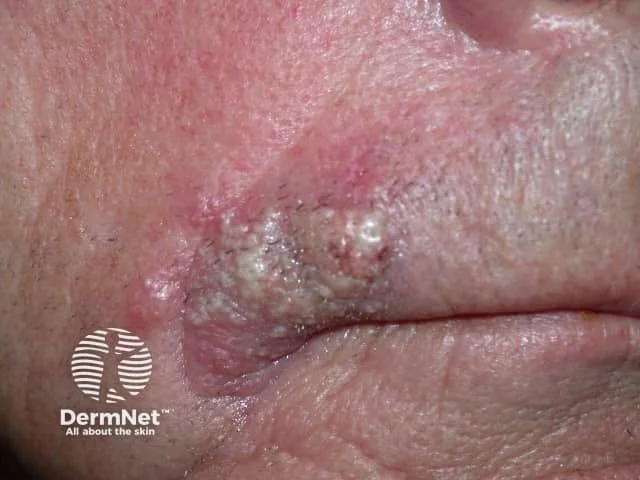
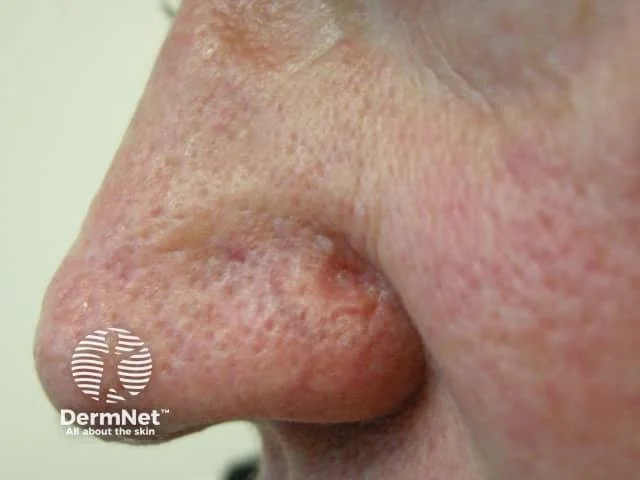
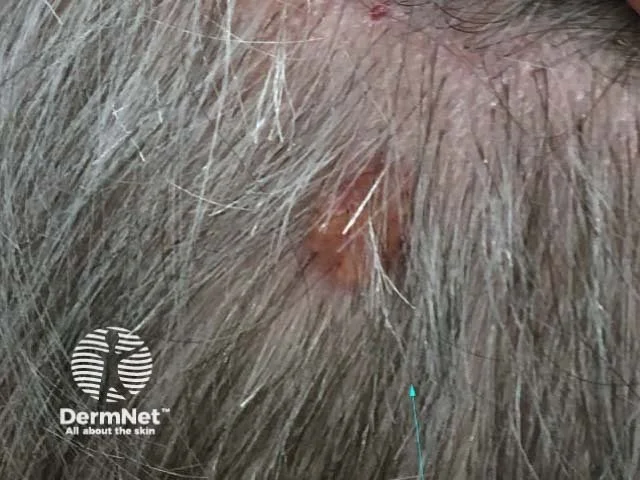
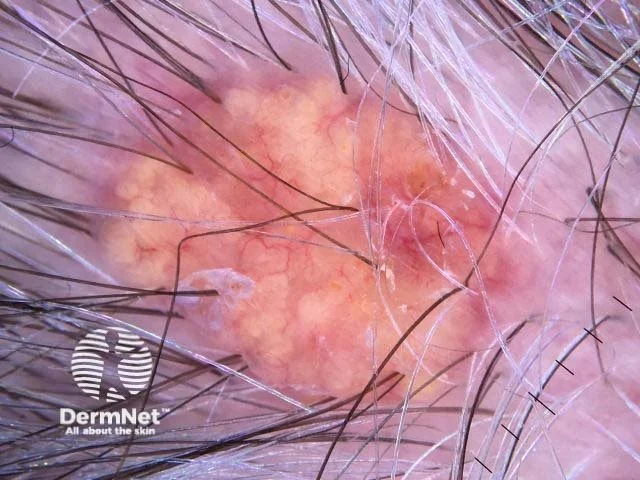
Sebaceous carcinoma most commonly develops on the eyelids, particularly the upper eyelid, because this area contains numerous meibomian (sebaceous) glands. Approximately 75% of cases occur around the eye (ocular sebaceous carcinoma). Less commonly, the cancer develops on the head, neck, face, trunk, or genital region, where sebaceous glands are also present.
There is no standard size for sebaceous carcinoma because tumors vary depending on when they are diagnosed. Most tumors measure between 5 and 20 millimeters (0.5–2 centimeters or about 0.2–0.8 inches) in diameter at diagnosis. However, untreated tumors may grow larger and invade nearby tissues, particularly around the eye.
The exact cause of sebaceous carcinoma is not completely understood. Researchers believe it develops when genetic mutations occur in sebaceous gland cells, causing them to grow uncontrollably. Unlike basal cell carcinoma and squamous cell carcinoma, ultraviolet (UV) radiation is not considered the primary cause, although it may contribute to some cases, especially those occurring on sun-exposed skin.
Different factors may increase the risk of developing sebaceous carcinoma. These include older age, previous radiation therapy, a weakened immune system, prior skin cancers, and inherited conditions such as Muir-Torre syndrome, which is associated with mutations in DNA mismatch repair genes. Chronic sun exposure may also serve a role in some patients.
Sebaceous carcinoma is most commonly diagnosed in adults over the age of 60. Although it can occur in younger adults, especially those with inherited genetic syndromes or a history of radiation exposure, it is rare in children and young adults.
The preferred treatment for sebaceous carcinoma is complete surgical removal, most commonly with Mohs micrographic surgery or wide local excision. Additional treatments may include sentinel lymph node biopsy, radiation therapy, and, in advanced cases, systemic chemotherapy or immunotherapy. Careful long-term follow-up is recommended because the cancer has a risk of recurring or spreading to nearby lymph nodes.
Sebaceous carcinoma can be deadly, especially if it is not diagnosed and treated early. It is considered an aggressive skin cancer because it can spread to nearby lymph nodes and distant organs. However, when detected early and completely removed with surgery, the prognosis is generally favorable, and many patients achieve long-term survival.
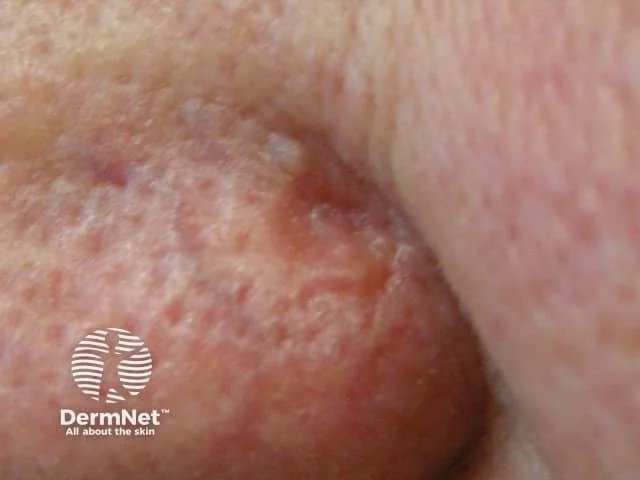
visual images
〰️
visual images 〰️
Medical References (source)
American Academy of Dermatology. (2024). Rare skin cancers.
American Cancer Society. (2024). Skin cancer and rare skin tumors.
National Cancer Institute. (2024). Skin cancer treatment (PDQ).
National Comprehensive Cancer Network. (2025). NCCN Clinical Practice Guidelines in Oncology: Squamous Cell Skin Cancer and Rare Cutaneous Malignancies.
Nelson, B. R., Hamlet, K. R., Gillard, M., Railan, D., & Johnson, T. M. (1995). Sebaceous carcinoma. Journal of the American Academy of Dermatology, 33(1), 1–15.