

Microcystic Adnexal Carcinoma (MAC)
Microcystic adnexal carcinoma (MAC) was first described as a distinct skin tumor in 1982 by Richard J. Goldstein, Philip H. Barr, and N. A. Santa Cruz. They identified MAC as a rare sweat gland carcinoma with both hair follicle and sweat gland differentiation. Before this description, the tumor was often mistaken for other skin cancers because of its similar appearance under the microscope.
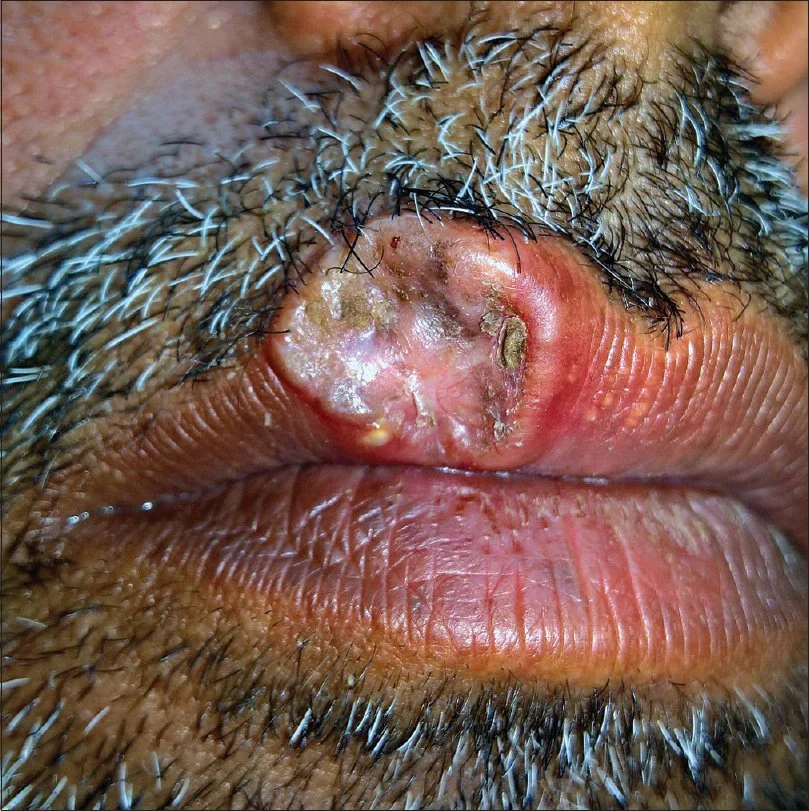
Microcystic adnexal carcinoma most commonly develops on the head and neck, especially the central face, upper lip, nose, cheeks, chin, forehead, and around the eyes. Less commonly, it can occur on the scalp, trunk, or extremities. MAC begins in the deeper layers of the skin and often extends into nearby nerves and soft tissue.
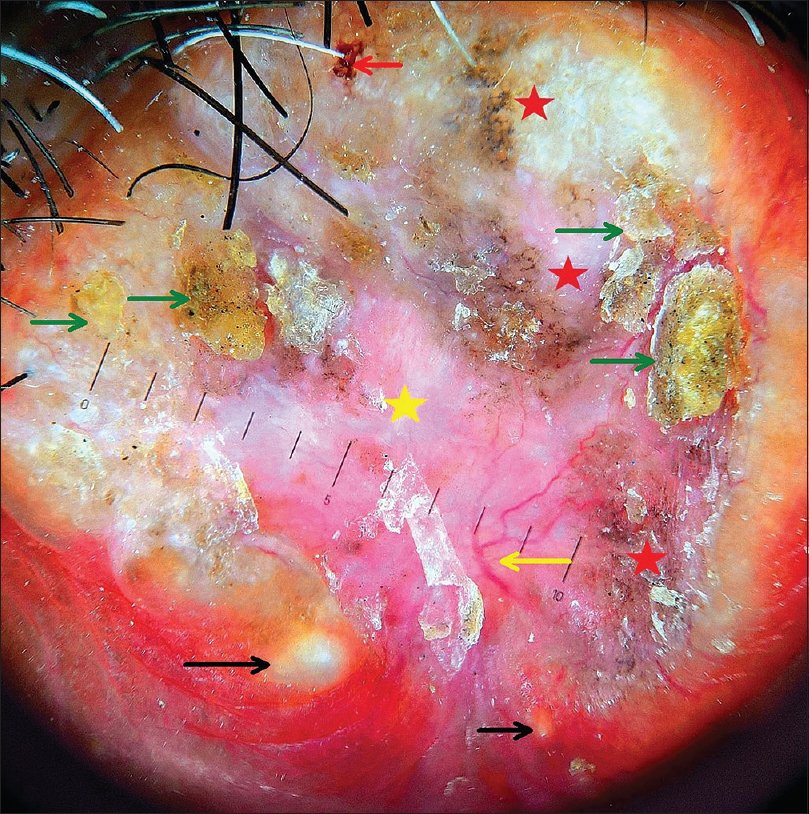
There is no standard size for microcystic adnexal carcinoma because it grows slowly over many years. Most tumors measure 1–3 centimeters (10–30 millimeters, or about 0.4–1.2 inches) in diameter at the time of diagnosis. However, the tumor often extends much farther beneath the skin than is visible on the surface, making it appear smaller than it is.
The exact cause of microcystic adnexal carcinoma is unknown. Researchers believe the tumor develops from cells of the sweat glands and hair follicles after genetic mutations cause these cells to grow uncontrollably. Unlike basal cell carcinoma and squamous cell carcinoma, ultraviolet (UV) radiation has not been clearly established as the primary cause of these cancers.
Although the exact cause is unknown, several factors may increase the risk of developing MAC. These include previous radiation therapy to the skin, chronic sun exposure, older age, and certain genetic mutations. However, because MAC is extremely rare, most patients have no clearly identifiable risk factor.
Microcystic adnexal carcinoma is most commonly diagnosed in adults between 50 and 70 years of age. It is rare in children and young adults and occurs slightly more often in women than in men.
The preferred treatment for microcystic adnexal carcinoma is Mohs micrographic surgery because it provides the highest cure rate while preserving healthy tissue. Other treatment options include wide local excision and radiation therapy for patients who cannot undergo surgery or for whom complete removal is not possible. Because MAC often grows along nerves, careful long-term follow-up is recommended to monitor for recurrence.
Microcystic adnexal carcinoma is rarely deadly because it has a very low risk of spreading to distant organs. However, it is considered a locally aggressive cancer because it can invade nearby nerves, muscle, and other tissues if left untreated. Early diagnosis and complete surgical removal provide an excellent prognosis, although recurrence can occur if the tumor is not completely excised.
Visual Images
〰️
Visual Images 〰️
Medical References (source)
American Academy of Dermatology. (2024). Rare skin cancers.
Goldstein, D. J., Barr, R. J., & Santa Cruz, D. J. (1982). Microcystic adnexal carcinoma: A distinct clinicopathologic entity. Cancer, 50(3), 566–572.
National Cancer Institute. (2024). Skin cancer treatment (PDQ).
National Comprehensive Cancer Network. (2025). NCCN Clinical Practice Guidelines in Oncology: Squamous Cell Skin Cancer and Rare Cutaneous Malignancies. https://www.nccn.org/guidelines
National Organization for Rare Disorders. (2024). Microcystic adnexal carcinoma.