

Squamous Cell Carcinoma (SCC)
Squamous cell carcinoma (SCC) does not have a single discoverer because it was recognized gradually through advances in pathology. One of the earliest descriptions of squamous cell carcinoma was made in 1775 by the English surgeon Percival Pott, who linked scrotal cancer among chimney sweeps to soot exposure. His work was the first to identify an environmental cause of cancer and laid the foundation for understanding squamous cell carcinoma. During the nineteenth century, improvements in microscopic pathology established SCC as a distinct type of skin cancer.
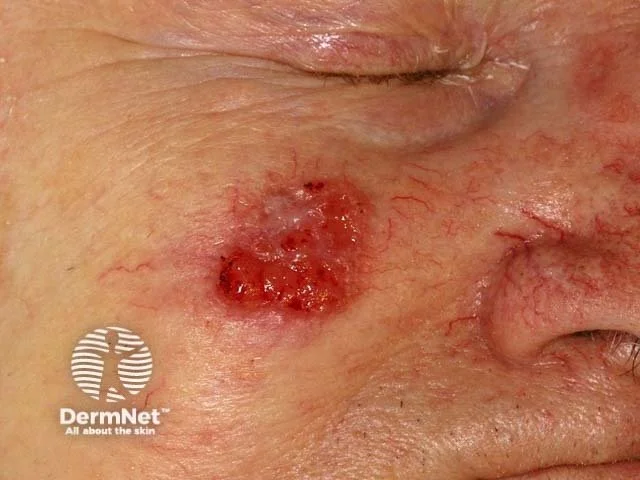
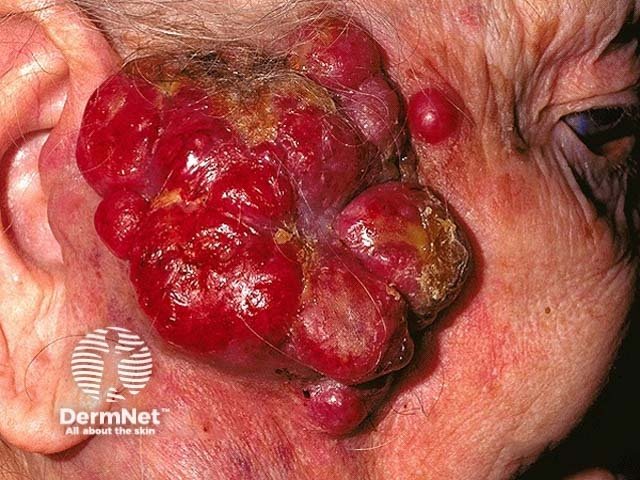
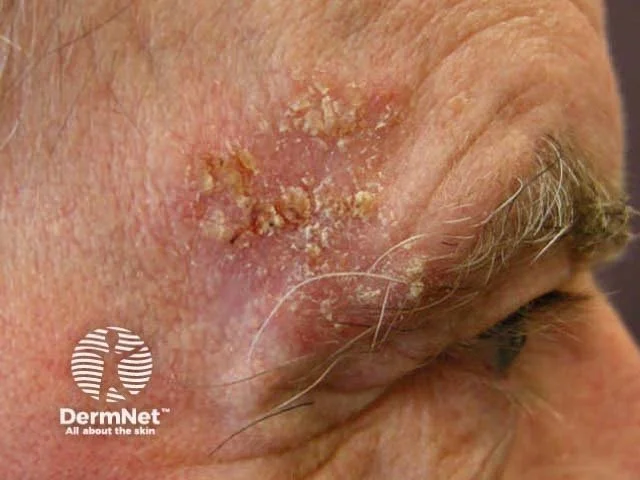
Squamous cell carcinoma most commonly develops on areas of the body that receive frequent sun exposure, including the face, ears, lips, scalp, neck, backs of the hands, forearms, and lower legs. It can also develop on scars, chronic wounds, and the mucous membranes of the mouth and genital region.
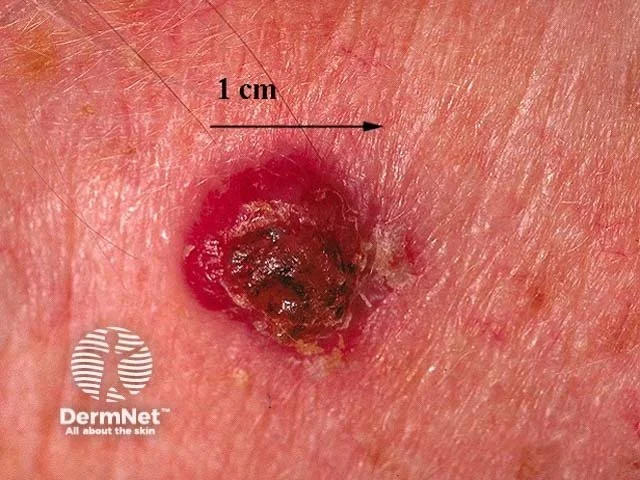
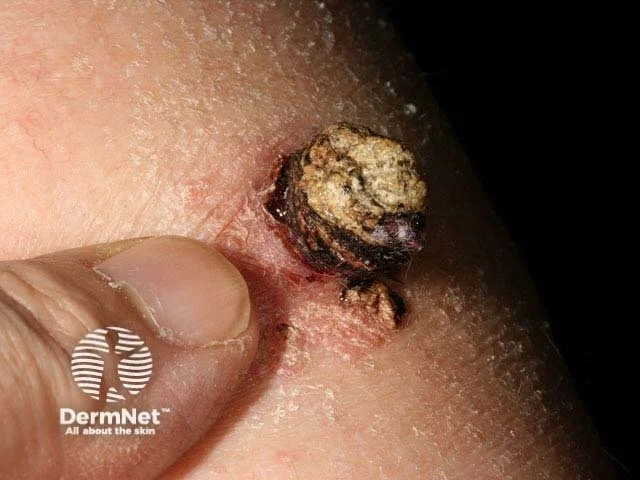
There is no standard size for squamous cell carcinoma because tumors vary depending on how long they have been present. Most SCCs are diagnosed when they measure 5–20 millimeters (0.5–2 centimeters or about 0.2–0.8 inches) in diameter. If left untreated, they can continue growing and invade deeper tissues, including muscle and bone.
The primary cause of squamous cell carcinoma is long-term exposure to ultraviolet (UV) radiation from sunlight or indoor tanning beds. UV radiation damages the DNA in squamous cells, causing genetic mutations that can eventually lead to cancer.
Other factors that increase the risk of squamous cell carcinoma include fair skin, older age, a weakened immune system, previous skin cancers, chronic wounds or burns, exposure to arsenic, radiation therapy, tobacco use, infection with certain types of human papillomavirus (HPV), and inherited disorders such as xeroderma pigmentosum
Squamous cell carcinoma is most commonly diagnosed in adults over the age of 50, although it is increasingly being diagnosed in younger adults because of increased ultraviolet exposure and indoor tanning. People with weakened immune systems may also develop SCC at a younger age.
Common treatments for squamous cell carcinoma include surgical excision, Mohs micrographic surgery, curettage and electrodesiccation, cryotherapy, radiation therapy, and topical medications for selected early lesions. Advanced or metastatic SCC may be treated with immunotherapy, including medications such as Cemiplimab and Pembrolizumab, or with chemotherapy when appropriate.
Squamous cell carcinoma is usually not deadly when it is diagnosed and treated early. However, SCC is more aggressive than basal cell carcinoma and can spread to nearby lymph nodes and other organs if left untreated. Early detection and treatment lead to an excellent prognosis, whereas advanced cases may become life-threatening.
visual images
〰️
visual images 〰️
Medical references (source)
American Academy of Dermatology. (2024). Squamous cell carcinoma: Overview.
American Cancer Society. (2024). Basal and squamous cell skin cancer.
National Cancer Institute. (2024). Skin cancer (including squamous cell carcinoma) treatment (PDQ).
National Comprehensive Cancer Network. (2025). NCCN Clinical Practice Guidelines in Oncology: Squamous Cell Skin Cancer.
Pott, P. (1775). Chirurgical observations relative to the cataract, the polypus of the nose, the cancer of the scrotum, the different kinds of ruptures, and the mortification of the toes and feet.
Skin Cancer Foundation. (2024). Squamous cell carcinoma.