

Kaposi Sarcoma
Kaposi sarcoma was first described in 1872 by Hungarian dermatologist Moritz Kaposi. He identified the disease as a rare skin tumor that primarily affected older men and originally named it idiopathic multiple pigmented sarcoma of the skin. The disease was later renamed Kaposi sarcoma in his honor.
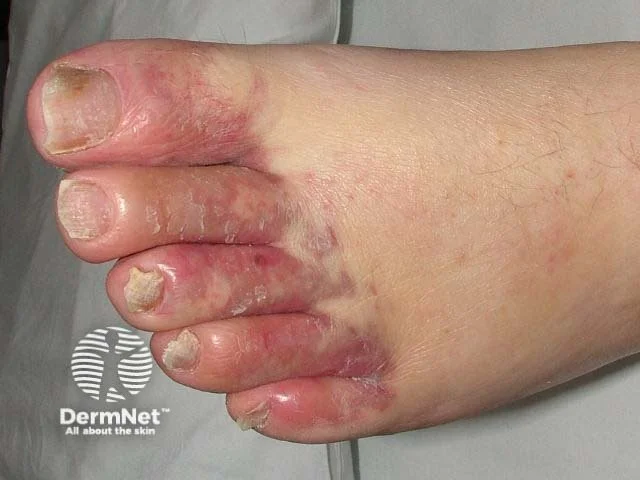
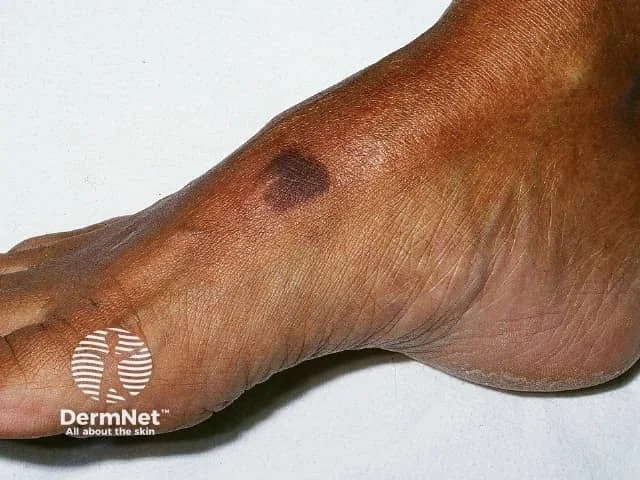
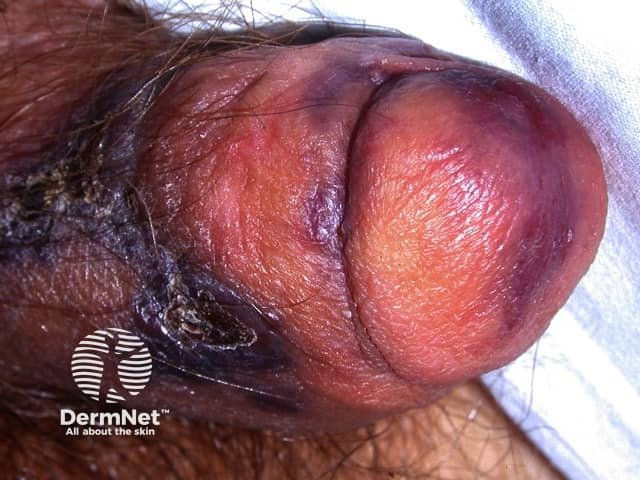
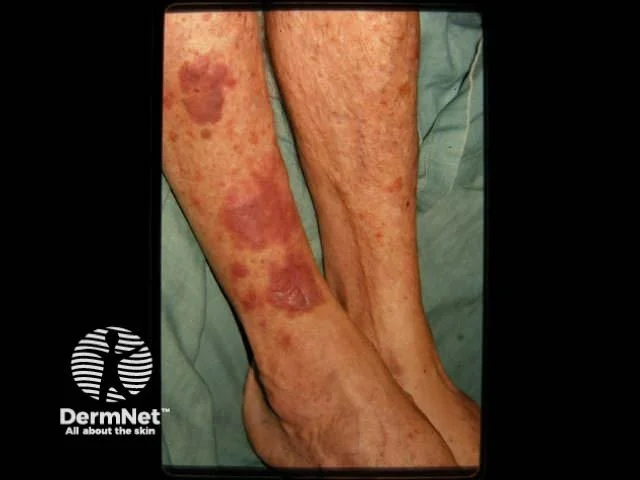
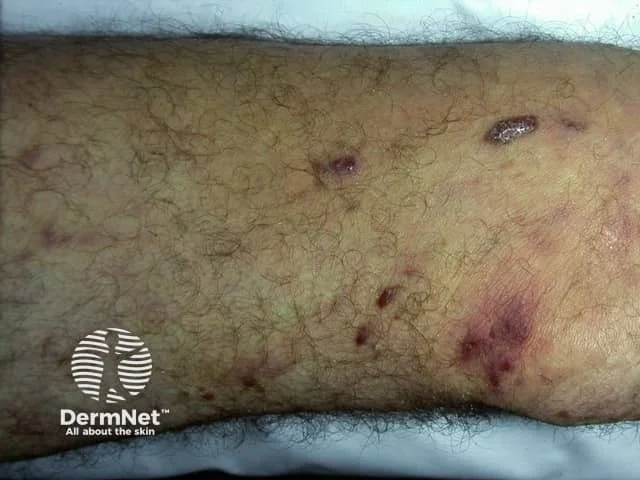
Kaposi sarcoma most commonly develops on the skin of the legs, feet, face, and inside the mouth. However, it can also affect the lymph nodes and internal organs such as the lungs, liver, and gastrointestinal tract. Skin lesions usually appear as purple, red, or brown patches, plaques, or nodules.
There is no standard size for Kaposi sarcoma because it often appears as multiple lesions rather than a single tumor. Individual lesions usually measure between 5 and 20 millimeters (0.5–2 centimeters, or about 0.2–0.8 inches) in diameter, but they may enlarge, merge, or involve large areas of the skin over time if left untreated.
The primary cause of Kaposi sarcoma is infection with Human herpesvirus 8 (HHV-8), also known as Kaposi sarcoma-associated herpesvirus (KSHV). Infection with HHV-8 alone is usually not enough to cause cancer, but the virus can trigger abnormal cell growth when the immune system is weakened.
Other factors that increase the risk of Kaposi sarcoma include infection with Human immunodeficiency virus (HIV), Acquired immunodeficiency syndrome (AIDS), organ transplantation with long-term immunosuppressive therapy, older age in certain geographic regions, and living in areas where HHV-8 infection is more common, such as parts of Africa and the Mediterranean.
The typical age group varies by type of Kaposi sarcoma. Classic Kaposi sarcoma most often occurs in adults over the age of 60, while AIDS-related Kaposi sarcoma can occur in younger adults with HIV infection. Endemic Kaposi sarcoma is more common in children and adults living in parts of sub-Saharan Africa.
Treatment for Kaposi sarcoma depends on the extent of the disease and the patient's immune status. Common treatments include highly active antiretroviral therapy (HAART) for people with HIV, surgical removal of small lesions, cryotherapy, radiation therapy, chemotherapy, immunotherapy, and targeted therapy. Treating the underlying immune deficiency is often an important part of managing the disease.
Kaposi sarcoma can be deadly, particularly when it spreads to internal organs or occurs in people with severely weakened immune systems. However, many patients, especially those with HIV who receive effective antiretroviral therapy, experience significant improvement and long-term disease control. Early diagnosis and appropriate treatment greatly improve outcomes.
visual images
〰️
visual images 〰️
Medical references (source)
American Cancer Society. (2024). Kaposi sarcoma.
Kaposi, M. (1872). Idiopathisches multiples Pigmentsarkom der Haut. Archiv für Dermatologie und Syphilis.
National Cancer Institute. (2024). Kaposi sarcoma treatment (PDQ).
National Comprehensive Cancer Network. (2025). NCCN Clinical Practice Guidelines in Oncology: AIDS-Related Kaposi Sarcoma.